
The 4Cs of Diamonds Explained for Indian Buyers | Complete Diamond Buying Guide
The 4Cs of Diamonds Explained for Indian Buyers
Your grandmother’s diamond solitaire caught the light at every family function. You never knew why it looked different from the ones in that mall jewellery store — but it did. The answer lives in four letters: Cut, Colour, Clarity, and Carat. Together, they determine everything about a diamond’s beauty, rarity, and price.
For Indian buyers — especially those shopping for engagement rings, bridal sets, or anniversary gifts in cities like Hyderabad — understanding the 4Cs isn’t just academic. It is the difference between spending wisely and overpaying for a stone that looks dull under mandap lighting, or undershooting on quality for a piece meant to last generations.
This guide breaks down each of the 4Cs in plain language, with specific guidance for Indian occasions, skin tones, and budgets. You will also learn what to look for in a certified diamond — and why the certificate matters as much as the stone itself.
Why the 4Cs Matter More Than You Think
The Diamond Market Is Not Standardised Everywhere
Walk into ten jewellery shops in Hyderabad and ask for a “good 1-carat diamond.” You will get ten different stones at ten different prices — and most salespersons won’t voluntarily tell you why. The 4Cs framework, established by the Gemological Institute of America (GIA), gives buyers a common language. When a stone is graded by an independent lab like IGI (International Gemological Institute), every C is measured against an objective standard not a salesperson’s opinion.
At Aqua Diamonds & Jewels, every diamond sold is 100% natural and comes with IGI certification, so you know exactly what you are buying before the billing counter.
Not All Cs Are Equal — Know Your Priority
A common mistake Indian buyers make is over-indexing on Carat weight. A heavier stone with poor Cut can look smaller and duller than a well-cut stone of slightly lower weight. Understanding how each C interacts helps you allocate your budget where it matters most for the look you want.
The 4Cs Directly Affect Resale and Heirloom Value
In South Indian families, jewellery is transferred across generations. A diamond graded and certified today retains traceable value decades later. IGI-graded diamonds have globally accepted documentation — something a non-certified stone simply cannot offer when it is time to upgrade, insure, or pass on.
1.Cut — The C That Controls Brilliance
What Diamond Cut Actually Means
Cut does not refer to the shape of the diamond (round, oval, pear). It refers to how precisely the stone’s facets are angled, proportioned, and polished. A diamond’s cut grade determines how effectively it captures and reflects light — which is what makes it sparkle.
IGI grades diamond cut on a scale: Excellent, Very Good, Good, Fair, and Poor. Always aim for Excellent or Very Good for diamonds above 0.30 carats.
Why Cut Matters for Indian Mandap and Indoor Lighting
Most Indian weddings and engagement ceremonies happen indoors — banquet halls, function rooms, hotel ballrooms. These environments have warm, directional lighting that rewards a well-cut diamond with dramatic flashes of brilliance. A poorly cut stone in a beautifully crafted setting will still look flat and lifeless. When shopping for bridal jewellery in Hyderabad, Cut should be your first non-negotiable.
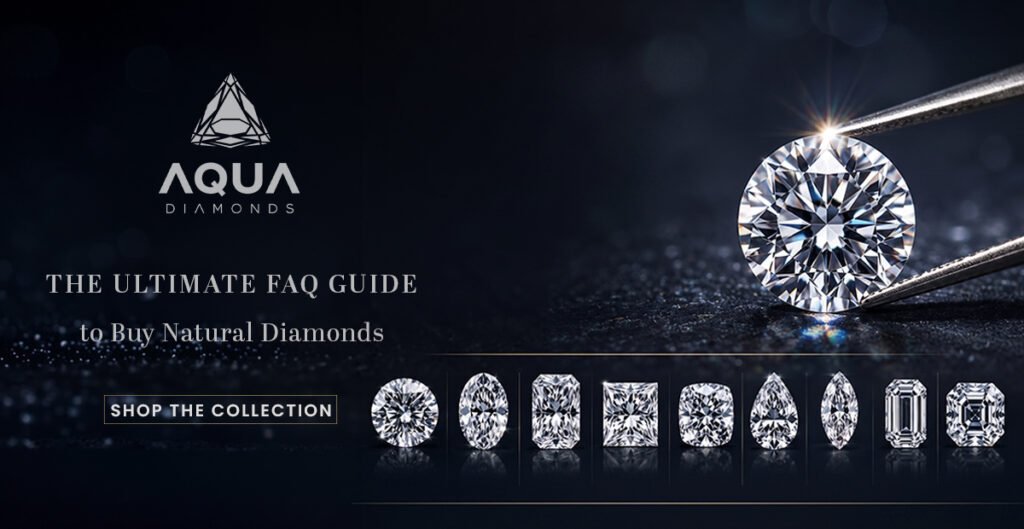
Popular Diamond Shapes and Their Cut Characteristics
- Round Brilliant: The most researched shape; ideal proportions are well-established. Best for maximum sparkle.
- Oval: Flattering on fingers, gives a larger appearance per carat. Cut quality varies more widely — check the bow-tie effect.
- Princess (Square): Popular for solitaire rings. Sharp corners require protective settings; cut precision affects brilliance significantly.
- Cushion: Romantic, vintage feel. Very popular for South Indian bridal sets. Look for “cushion modified brilliant” for the best light performance.
- Emerald/Asscher: Step-cut shapes designed for clarity, not sparkle. Only choose these if you have a high-clarity stone to show off.
2.Colour — Choosing the Right Grade for Indian Skin Tones and Metal Preferences
The Diamond Colour Scale
The GIA and IGI colour scale runs from D (completely colourless) to Z (light yellow or brown). Diamonds in the D–F range are truly colourless and command a premium. G–J range diamonds are near-colourless — the difference is invisible to the naked eye in most lighting conditions, and they offer significantly better value.
Which Colour Grade Works Best for Indian Buyers
Indian buyers have traditionally preferred yellow gold settings, which is an important variable. A yellow gold setting actually masks slight warmth in a diamond, making G–I colour grades look as crisp as D–F stones — at a fraction of the cost. If you are setting your diamond in white gold or platinum (increasingly popular for engagement rings in Hyderabad), stick to G or better, as the cool metal makes any warmth more visible.
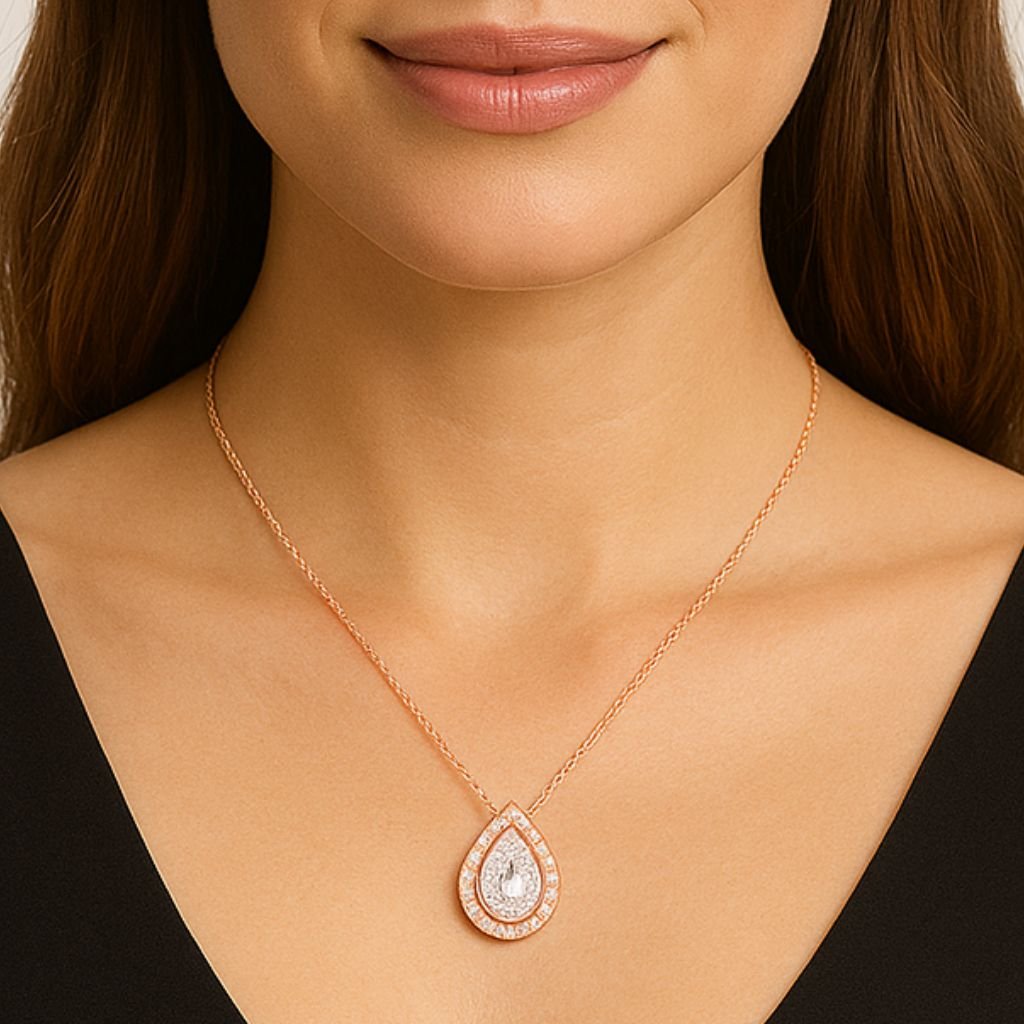
For bridal diamond jewellery with rose gold settings — a growing trend in South Indian contemporary bridal wear — H–I colour diamonds pair beautifully. Our team at Aqua Diamonds & Jewels can show you live comparisons across colour grades and metal combinations when you book a consultation.
Fancy Coloured Diamonds — A Different Framework
Yellow, pink, blue, and green diamonds follow an entirely different grading system where colour intensity is a positive quality. These are rare and priced accordingly. If you are interested in a fancy coloured stone, ask for a dedicated IGI grading report that certifies colour origin (natural vs treated).
3.Clarity — What Those Internal Marks Actually Mean
Understanding Inclusions and Blemishes
Almost every diamond has natural internal characteristics called inclusions (inside the stone) and blemishes (on the surface). These are formed during the diamond’s growth deep within the earth over millions of years — they are, in a way, the stone’s fingerprint. The clarity grade measures how visible these characteristics are under 10x magnification.
The IGI clarity scale from highest to lowest: FL (Flawless), IF (Internally Flawless), VVS1–VVS2, VS1–VS2, SI1–SI2, I1–I2–I3.
The Sweet Spot for Indian Buyers: VS2 to SI1
For most diamond jewellery — solitaire rings, earrings, pendants — VS2 and SI1 offer the best value. Inclusions at these grades are not visible to the naked eye. You would need a loupe to find them. The jump in price from SI1 to VS1, or from VS1 to VVS2, is substantial — and for a stone that will be worn and admired in real life rather than under a gemological microscope, it is rarely justified.
The exception: emerald and asscher cut diamonds. Their step-cut facets act like windows into the stone, making inclusions more visible. For these shapes, target VS1 or better.
Clarity and the IGI Certificate
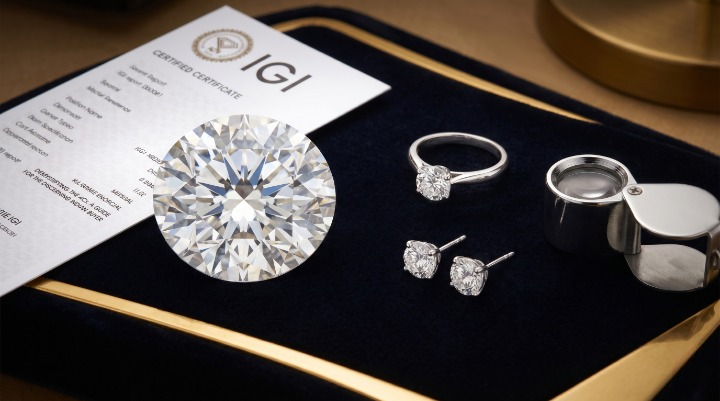
An IGI certificate includes a clarity plot — a diagram of the diamond with every inclusion mapped to its exact location. This is your proof. Any jeweller who cannot provide this documentation for a diamond above a half-carat is a jeweller you should be cautious of. At Aqua Diamonds, the IGI certificate accompanies every diamond sale and is explained to you in person so you understand exactly what you are taking home.
4.Carat — Size, Weight, and the Indian Obsession With ‘Bigger’
Carat Is Weight, Not Size
One metric carat equals 0.2 grams. Carat is a measure of weight — not diameter, not surface area. Two diamonds of the same carat weight can look very different in size depending on their cut and shape. A well-cut 0.90-carat round brilliant can appear larger than a poorly cut 1.00-carat stone because its proportions spread the weight outward rather than downward.
Magic Weights and Budget Optimisation
Diamond prices jump sharply at popular carat milestones: 0.50ct, 0.75ct, 1.00ct, 1.50ct, 2.00ct. A 0.95-carat stone is visually indistinguishable from a 1.00-carat stone — but it is priced as a sub-1-carat diamond. This difference can be 15–20% in price for the same quality. Experienced buyers know to shop just below these thresholds.
Carat Expectations for Indian Occasions
In Hyderabad and across South India, diamond solitaire rings for engagements typically range from 0.30 to 1.00 carat. Statement pendants and earrings for wedding functions often use multiple smaller diamonds (melee) rather than one large stone. For bridal sets, total carat weight across the piece matters more than any single stone’s size. Our team at Aqua Diamonds helps you plan carat allocation across a bridal set for maximum visual impact within your budget.
The Fifth C Every Indian Buyer Should Know: Certification
Why IGI Certification Matters in India
IGI (International Gemological Institute) is one of the world’s most trusted independent diamond grading bodies, and it has a strong presence in India — with labs in Mumbai, Surat, and Delhi. An IGI-graded diamond has been examined by trained gemologists who have no commercial interest in its sale. The report is issued independently of the retailer.
This independence is everything. An in-house grading certificate issued by the jeweller themselves has zero accountability. Ask for IGI (or GIA) — and verify the certificate number on the official IGI website before purchase.
What an IGI Certificate Covers
- Shape and cutting style
- Measurements (length × width × depth in mm)
- Carat weight
- Colour grade
- Clarity grade
- Cut, Polish, and Symmetry grades
- Fluorescence (how the diamond reacts to UV light)
- Comments and clarity plot diagram
Fluorescence — Bonus or Concern?
Fluorescence refers to a diamond’s glow under UV light. Medium or Strong Blue fluorescence in D–H colour diamonds can actually make them appear whiter in daylight, which is a mild advantage — and these stones are often priced slightly lower than non-fluorescent equivalents. In I–M colour stones, strong fluorescence can sometimes create a milky, haziness in bright light. Always ask to see the stone in different lighting conditions before deciding.
Why Choose Aqua Diamonds & Jewels
There are dozens of jewellers in Hyderabad. What sets Aqua Diamonds & Jewels apart is not just the collection — it is the buying experience.
- 100% Natural Diamonds: Every diamond sold at Aqua is natural, not lab-grown, unless explicitly requested. You are buying genuine earth-formed stones with the rarity that accompanies them.
- IGI Certified on Every Purchase: No in-house certificates. No verbal assurances. Every diamond above 0.20 carats comes with an independent IGI grading report that you can verify online.
- 1-Year Warranty: Your jewellery is covered with a 1-year warranty on craftsmanship and setting integrity — peace of mind that extends beyond the billing counter.
- Expert Guidance, No Pressure: Whether you are buying your first solitaire or a full bridal set for a December wedding, our team walks you through the 4Cs on your specific stones, with live comparisons. We explain every line of the IGI certificate before you decide.
- Hyderabad-Based, South India Focused: We understand what diamond jewellery means at a Hyderabadi wedding, a Ugadi gifting occasion, or a milestone anniversary. The advice you get here is grounded in how this jewellery will actually be worn and seen.
Explore our Diamond Education resource to go deeper — or speak directly with our experts.
Frequently Asked Questions
1. Which of the 4Cs should I prioritise for an engagement ring?
Cut first, always. A diamond with Excellent cut grade will outshine a higher-clarity or higher-colour stone with a mediocre cut. Once you have locked in an Excellent or Very Good cut, allocate remaining budget toward Colour (aim for G or better in white/platinum settings) and then Clarity (VS2 or SI1 is sufficient for most solitaires).
2. Is a 1-carat diamond significantly better than a 0.90-carat?
Visually, no — and that is the point. The size difference between a 0.90ct and 1.00ct round brilliant is approximately 0.2mm in diameter, which is invisible without measuring equipment. But the price difference can be 15–20% because 1.00ct crosses a pricing milestone. Shopping at 0.90–0.95ct is one of the smartest budget moves in diamond buying.
3. What does fluorescence mean on an IGI certificate, and should I avoid it?
Fluorescence is how a diamond glows under UV (ultraviolet) light. For D–H colour diamonds, medium blue fluorescence can make the stone appear slightly whiter in natural daylight and costs less — which can be an advantage. For I–M colour stones, strong fluorescence occasionally creates a hazy appearance in bright sunlight. In indoor settings common to Indian occasions, fluorescence has minimal visible impact. Ask your jeweller to show the stone in natural light before deciding.
4. What colour grade is best for yellow gold diamond jewellery?
G–I colour diamonds are ideal for yellow gold settings. The warm metal naturally complements a stone with a trace of warmth, and the difference between an H-colour and a D-colour is completely invisible once set. You are essentially paying for a quality difference that the setting conceals — so invest those savings in Cut or Carat instead.
5. How do I verify an IGI certificate is genuine?
Every IGI certificate has a unique report number. Go to igi.org, enter the report number in the certificate verification section, and the full grading details will appear. If the number returns no result or mismatches the certificate you hold, walk away. At Aqua Diamonds & Jewels, we encourage every buyer to verify their certificate in-store before purchase.
6. What is the difference between IGI and GIA certified diamonds?
Both IGI and GIA are internationally respected independent grading labs. GIA (Gemological Institute of America) is the originator of the 4Cs system and is often considered the global gold standard. IGI has a strong presence in India and grades a large volume of Indian-market diamonds — their reports are widely accepted by Indian jewellers, banks, and insurance companies. For most Indian buyers, an IGI certificate provides complete assurance of quality and authenticity.
Ready to Find Your Perfect Diamond?
Understanding the 4Cs puts you in control of one of the most significant purchases you will make. The right diamond is not necessarily the most expensive one — it is the one that balances all four qualities for the way it will be worn, the light it will live in, and the story it will carry.
Our team at Aqua Diamonds & Jewels is available to guide you in person — no pressure, no confusing jargon, just clear answers and beautiful stones.
📱 WhatsApp us: https://wa.me/919121118880 | 📅 Book an Appointment: https://aquadiamonds.co/book-an-appointment/

One Response