Natural vs Lab-Grown Diamonds in India: Complete Buyer’s Guide
Natural vs Lab-Grown Diamonds in India: Complete Buyer’s Guide
Natural vs Lab-Grown Diamonds: What Every Indian Buyer Must Know
A diamond purchase is emotional, personal, and often one of the most significant jewelry decisions you’ll make. In India, where diamonds are tied to weddings, family milestones, and heirloom traditions, buyers are increasingly comparing natural vs lab-grown diamond India options before making a choice.
The confusion is understandable. Lab-grown diamonds have become more visible online and in stores, often marketed as affordable alternatives with the same sparkle. Natural diamonds, on the other hand, continue to represent rarity, tradition, and long-term value.
Here’s the reality: neither option is “right” for everyone. The best choice depends on what matters most to you — budget, emotional significance, resale value, sustainability, or craftsmanship.
This guide will help you understand:
- What natural and lab-grown diamonds really are
- How they differ in price and value
- What Indian buyers should know about certification, durability, and resale
- Which option suits different occasions and budgets
By the end, you’ll be able to make an informed decision with confidence, whether you’re shopping in Hyderabad, online, or anywhere across India.
What Are Natural Diamonds?
Natural diamonds are formed deep within the Earth over billions of years under extreme heat and pressure. They are mined from the earth, cut and polished, and then set into jewelry.
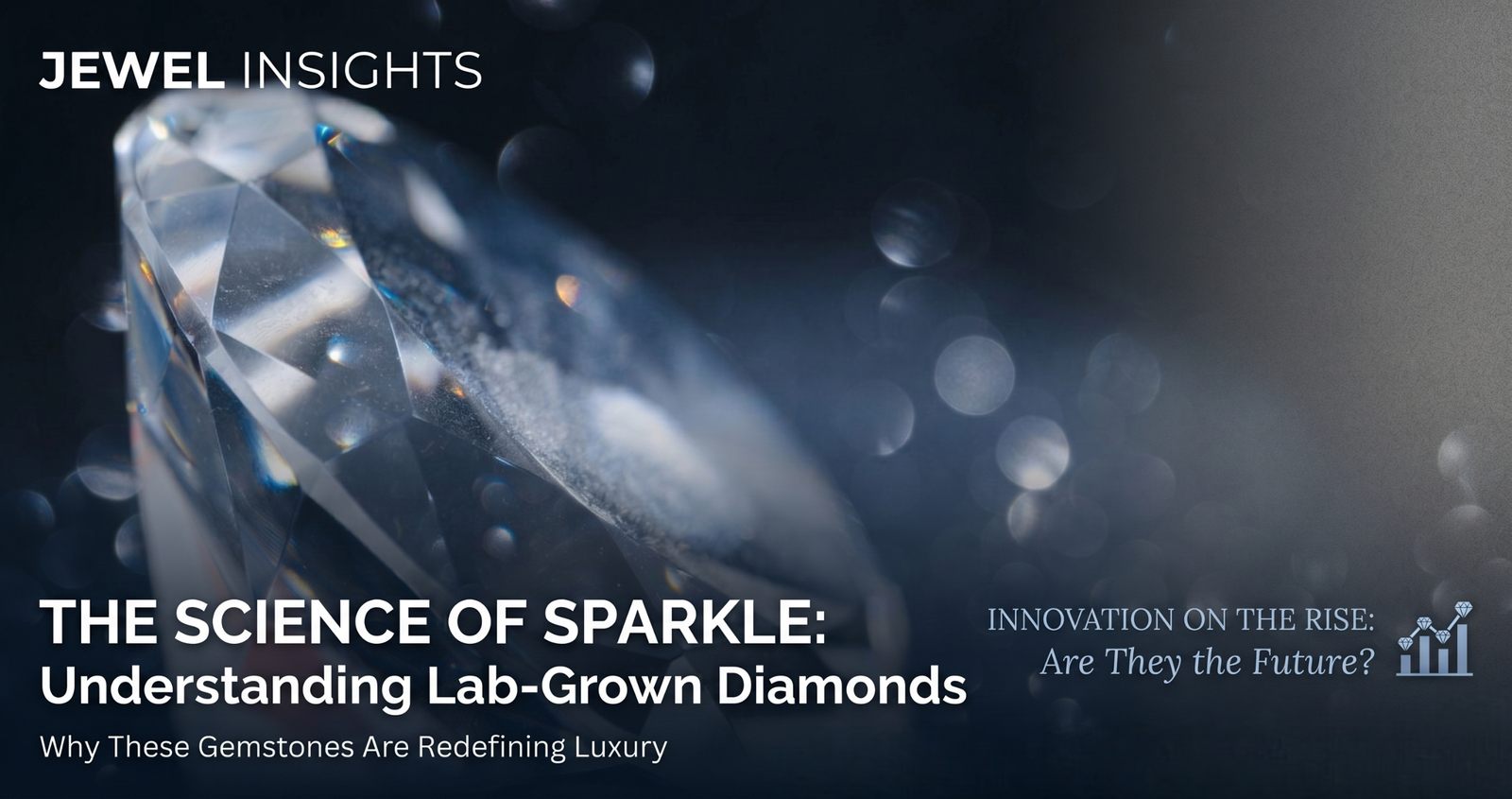
How Natural Diamonds Form
- Carbon atoms crystallize deep underground.
- Volcanic activity brings diamonds closer to the surface.
- Miners extract rough diamonds, which are then cut and polished by skilled artisans.
Each natural diamond is unique because of its growth conditions, inclusions, and crystal structure.
Why Natural Diamonds Are Valued
Natural diamonds are prized for:
- Rarity — They take billions of years to form and are finite in supply.
- Emotional significance — Many buyers associate them with tradition, commitment, and legacy.
- Long-term value — High-quality natural diamonds generally retain value better over time.
- Heirloom potential — They are often passed down through generations in Indian families.
At Aqua Diamonds & Jewels, all our natural diamonds are 100% natural and IGI-certified, ensuring authenticity and quality.
What Are Lab-Grown Diamonds?
Lab-grown diamonds are real diamonds created in controlled laboratory environments using advanced technology. They have the same chemical composition (carbon) and physical properties as natural diamonds.
What Are Lab-Grown Diamonds?
Lab-grown diamonds are real diamonds created in controlled laboratory environments using advanced technology. They have the same chemical composition (carbon) and physical properties as natural diamonds.
How Lab-Grown Diamonds Are Made
There are two main methods:
- HPHT (High Pressure High Temperature) — Mimics the natural conditions inside the Earth.
- CVD (Chemical Vapor Deposition) — Grows diamond crystals layer by layer from carbon-rich gas.
The process takes weeks instead of billions of years.
What Makes Them Similar to Natural Diamonds
Lab-grown diamonds:
- Test as real diamonds on standard diamond testers
- Have the same hardness (10 on the Mohs scale)
- Display similar brilliance and fire
- Can be certified by gemological laboratories like IGI
To the naked eye, most people cannot distinguish a lab-grown diamond from a natural one.
Natural vs Lab-Grown Diamonds: Key Differences
Origin and Rarity
| Feature | Natural Diamonds | Lab-Grown Diamonds |
|---|---|---|
| Origin | Formed naturally in the Earth | Created in a laboratory |
| Age | Billions of years old | Weeks to months old |
| Rarity | Finite and rare | Can be produced continuously |
Rarity is one of the biggest reasons natural diamonds command higher prices and stronger long-term value.
Price Differences in India
Lab-grown diamonds are significantly less expensive than natural diamonds of comparable size and quality.
Typical Price Comparison
| Diamond Type | Approx. Price Difference |
|---|---|
| Lab-grown | 40–80% lower |
| Natural | Higher due to rarity and market demand |
For example, a 1-carat lab-grown diamond may cost a fraction of a similar natural diamond.
Why the Price Gap Exists
- Lab-grown diamonds are easier and faster to produce.
- Supply can increase quickly with technology.
- Natural diamonds involve mining, rarity, and global supply constraints.
Long-Term Value and Resale
Natural Diamonds
Natural diamonds generally hold resale value better because:
- Supply is limited.
- They are traditionally accepted in the secondary market.
- Demand remains strong for high-quality stones.
Lab-Grown Diamonds
Lab-grown diamonds currently have lower resale value because:
- Production costs continue to fall.
- Supply can increase rapidly.
- The secondary market is still developing.
If long-term value preservation matters to you, natural diamonds are usually the stronger choice.
Certification and Identification
IGI Certification
Both natural and lab-grown diamonds can receive IGI certification. The certificate will clearly state whether the diamond is natural or laboratory-grown.
Always insist on certification when buying any diamond.
Can You Tell Them Apart?
To the naked eye, usually no. Even jewelers often need specialized equipment to identify a lab-grown diamond.
This is why certification and buying from a trusted jeweler are essential.
Durability and Everyday Wear
Hardness
Both natural and lab-grown diamonds score 10 on the Mohs hardness scale, making them suitable for everyday wear.
Care and Maintenance
Care is identical for both types:
- Clean with mild soap and a soft brush.
- Avoid harsh chemicals and ultrasonic cleaners unless advised.
- Store separately to prevent scratches.
- Get periodic professional inspections.
Aqua Diamonds & Jewels also offers a 1-year warranty on craftsmanship for added peace of mind.
Sustainability and Ethics
Lab-Grown Diamonds
Often marketed as more sustainable because they do not require mining. However, energy usage varies depending on how the diamonds are produced.
Natural Diamonds
Modern mining practices are increasingly regulated, and many suppliers follow ethical sourcing standards. The industry has improved significantly over the past two decades.
The Balanced View
Sustainability is not a simple “lab-grown good, natural bad” equation. Energy sources, mining practices, and supply chain transparency all matter.
Ask your jeweler about sourcing and certifications rather than relying solely on marketing claims.
Which Diamond Is Right for You?
Choose a Natural Diamond If You Value…
- Tradition and emotional significance
- Rarity and uniqueness
- Long-term value retention
- Heirloom potential
- A timeless investment piece
Natural diamonds are especially popular for engagement rings, wedding jewelry, and milestone gifts in India.
Choose a Lab-Grown Diamond If You Value…
- A larger stone within a fixed budget
- Modern technology and innovation
- Lower upfront cost
- A fashion-forward purchase
Lab-grown diamonds can be a practical option for trend-driven jewelry or buyers prioritizing size over rarity.
Buying Tips for Indian Customers
Set Your Priorities First
Ask yourself:
- Is this an emotional heirloom purchase or a fashion purchase?
- Do I care about resale value?
- Is budget or rarity more important?
- Do I want a larger diamond for the price?
Always Check Certification
Whether natural or lab-grown, insist on a recognized certificate such as IGI. It protects you from misrepresentation and confirms quality.
Buy From a Trusted Jeweler
Reputable jewelers will:
- Clearly disclose whether a diamond is natural or lab-grown
- Provide certification
- Explain pricing transparently
- Offer after-sales support and warranty
Avoid sellers who use vague terms like “real diamond” without specifying the type.
Why Choose Aqua Diamonds & Jewels
At Aqua Diamonds & Jewels, we believe diamond buying should feel exciting, informed, and deeply personal — never confusing or pressured.
Here’s what sets us apart:
- 100% Natural Diamonds — We specialize in authentic natural diamonds with verified sourcing.
- IGI Certification — Every significant diamond comes with trusted certification for transparency and confidence.
- Hyderabad Expertise — We understand the preferences of South Indian buyers, from bridal sets to everyday luxury jewelry.
- Personalized Guidance — Our team helps you compare options honestly based on your budget and priorities.
- 1-Year Warranty — Added assurance on craftsmanship and service.
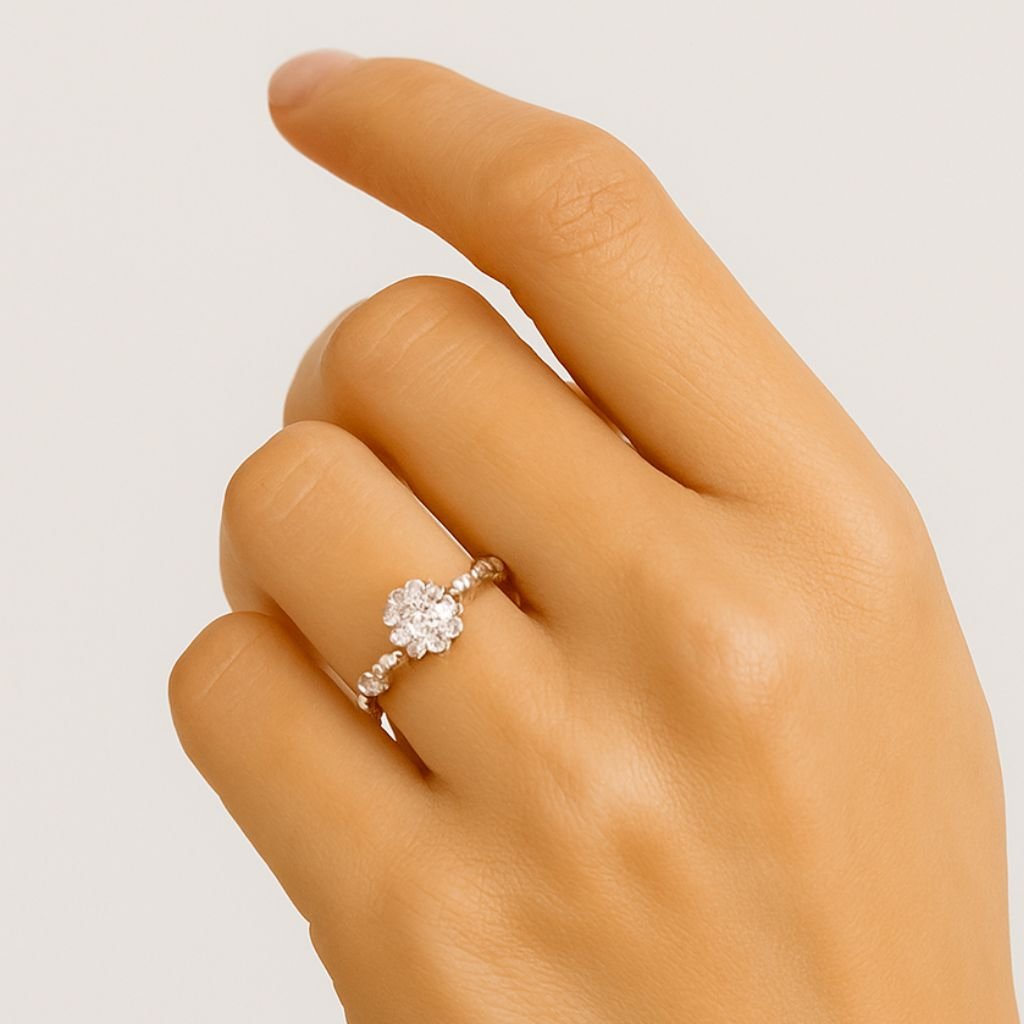
- Timeless Craftsmanship — From solitaire rings to custom bridal pieces, our jewelry is designed to be treasured for generations.
Whether you’re exploring your first diamond purchase or selecting a once-in-a-lifetime engagement ring, we’re here to help you choose with clarity and confidence.
Explore our diamond education resources or browse our collection of rings to continue your journey.
Frequently Asked Questions
1. Are lab-grown diamonds real diamonds?
Yes. Lab-grown diamonds are chemically and physically real diamonds made from carbon, just like natural diamonds. The main difference is their origin: natural diamonds form in the Earth, while lab-grown diamonds are created in laboratories.
2. Can jewelers tell the difference between natural and lab-grown diamonds?
Not by sight alone in most cases. Specialized gemological equipment is usually needed to identify a lab-grown diamond. This is why IGI certification and buying from a trusted jeweler are important.
3. Which is better for an engagement ring in India?
It depends on your priorities. Natural diamonds are preferred for their rarity, tradition, and long-term value, making them popular for engagement rings and wedding jewelry. Lab-grown diamonds are chosen by buyers who want a larger stone at a lower price.
4. Do lab-grown diamonds lose value faster?
Currently, lab-grown diamonds tend to have lower resale value than natural diamonds because production costs are decreasing and supply can increase more easily. Natural diamonds generally retain value better over time.
5. Are natural diamonds more durable than lab-grown diamonds?
No. Both natural and lab-grown diamonds have the same hardness (10 on the Mohs scale) and are equally suitable for everyday wear when cared for properly.
6. Is IGI certification important for both types of diamonds?
Absolutely. IGI certification confirms the diamond’s authenticity, quality, and whether it is natural or laboratory-grown. It adds transparency and protects your purchase.
Ready to Find Your Perfect Diamond?
Whether you prefer the timeless rarity of a natural diamond or want guidance comparing options, our experts are here to help.Chat on WhatsAppBook an Appointment
Visit Aqua Diamonds & Jewels in Hyderabad for a personalized diamond consultation and explore pieces crafted to be cherished for generations.