
Gold Jewelry Buying Guide: Karat, Purity & Pricing Explained
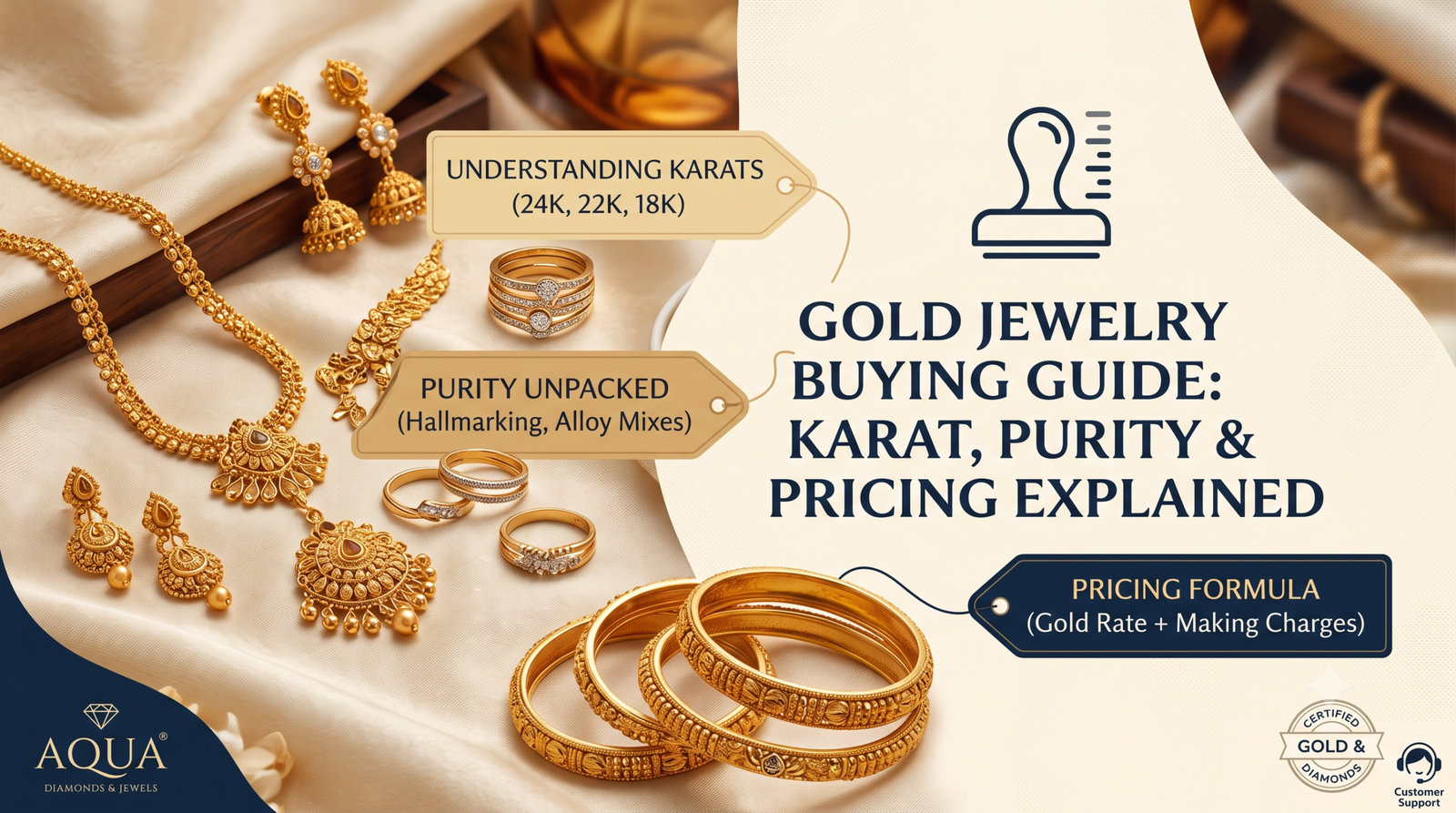
Gold has always been more than an investment in India — it is memory, ritual, and identity pressed into metal. Whether you are buying your first pair of gold earrings or commissioning a full bridal set for a Telugu wedding, the moment you walk into a jewelry store, you are met with a wall of numbers: 22KT, 18KT, 916, 750, BIS hallmark, making charges. Most buyers nod and trust the salesperson. That leap of faith is sometimes misplaced.
This guide changes that. We will walk you through everything that actually matters when buying gold jewelry in India — from understanding karat and purity to decoding pricing, spotting quality markers, and knowing which gold type works best for rings, bangles, or bridal sets. You will also learn what to ask before signing any bill, and why the same 22KT necklace can cost significantly different amounts at different stores.
At Aqua Diamonds & Jewels, Hyderabad, we believe an informed customer makes happier, more confident purchases — and wears their jewelry with pride for decades.
Understanding Gold Karat: What Those Numbers Actually Mean
Karat is a measure of gold purity — specifically, how many parts out of 24 are pure gold. This single number drives most of the confusion buyers face.
24KT, 22KT, 18KT — The Core Differences
24KT gold is 99.9% pure gold. It is too soft for everyday jewelry — it bends, scratches, and loses its shape with wear. You will mostly encounter 24KT in gold coins, bars, and investment products, not in wearable pieces.
22KT gold (also written 916 gold, because it contains 91.6% pure gold) is the dominant choice for traditional Indian jewelry — temple jewelry, necklaces, jhumkas, and bridal sets. It is hard enough to hold intricate designs but rich enough in gold content to hold value well.
18KT gold (75% pure gold, marked 750) contains more alloy metals, which makes it harder, more durable, and better suited for jewelry that needs to hold gemstones — diamond rings, solitaire pendants, and diamond-studded bangles. This is the standard for fine diamond jewelry worldwide.
14KT and Lower: Where It Fits
14KT gold (58.5% pure) is increasingly popular for fashion jewelry and contemporary designs targeting younger buyers. It is more affordable, more scratch-resistant, and holds its form well for everyday wear. In South India, 14KT is less traditional but growing in popularity for office jewelry and daily-wear pieces.
Gold below 14KT is rarely used in fine jewelry in India and is generally avoided for investment or heirloom purposes.
The Alloy Question: What Is the Other Metal?
The non-gold content in an alloy determines both color and durability. Common alloy metals include copper (which gives rose gold its warm blush), silver (brightens yellow gold), zinc and palladium (used in white gold). Ask your jeweler what alloy is used — this affects both skin sensitivity and long-term wear characteristics.
Gold Hallmarking in India: Your Most Reliable Quality Signal
The Bureau of Indian Standards (BIS) hallmark is the single most important thing to look for when buying gold jewelry in India. From June 2021, BIS hallmarking has been mandatory for gold jewelry sold by registered jewelers.
How to Read a BIS Hallmark
A fully hallmarked piece will carry a six-digit alphanumeric HUID (Hallmark Unique Identification) code. You can verify this on the BIS Care app by entering the code. The hallmark also includes the BIS logo (a triangle with BIS inside), the karat/fineness figure (like 22K916 or 18K750), and the jeweler’s identification mark.
If a piece is missing any of these, ask for an explanation before buying. No reputable jeweler will struggle to show you a hallmarked piece.
IGI Certification for Diamond-Set Gold Jewelry
When your gold jewelry also contains diamonds — a diamond-set gold bangle, an engagement ring in 18KT gold — you need a separate certification for the diamonds. At Aqua Diamonds & Jewels, every diamond piece carries an IGI (International Gemological Institute) certificate, which independently verifies the cut, color, clarity, and carat weight of the diamonds. This is separate from, and complementary to, the BIS gold hallmark.
If you are buying a diamond ring in gold, read our guide on how to choose the perfect engagement ring in Hyderabad to understand how gold karat and diamond quality interact in the same piece.
Hallmark vs. No Hallmark: The Price Trap
Some unorganized jewelers sell un-hallmarked gold at slightly lower prices. This is a false economy. Without hallmarking, you have no verified assurance of purity — and when you sell or exchange the jewelry, you may be paid for a lower karat than you assumed. Always insist on BIS-hallmarked gold, and verify the HUID before purchasing.
Gold Jewelry Pricing in India: How It Is Calculated
Gold jewelry is not priced arbitrarily. The bill you receive is a formula — understanding it protects you from overpaying.
The Base: Gold Rate Per Gram
The gold rate changes daily and is tied to international commodity markets. Most Indian jewelers price gold per gram based on the MCX (Multi Commodity Exchange) rate or a rate set by their local jewelers’ association. Ask your jeweler what gold rate they are using on that day and whether it is for 22KT or 24KT (since 22KT is priced by deriving from the 24KT base rate).
A general calculation: if the 24KT rate is ₹7,000/gram, then 22KT gold will be priced at approximately ₹7,000 × (22/24) = ₹6,417/gram, before any making charges.
Making Charges: The Variable That Varies Most
Making charges cover labor, design, and manufacturing. They can be calculated in two ways:
- Flat rate per gram (e.g., ₹300/gram for plain bangles, ₹600–1,000/gram for intricate designs)
- Percentage of gold value (typically 8–25% depending on craftsmanship)
Machine-made or plain jewelry carries lower making charges. Handcrafted, antique-finish, or temple jewelry with detailed filigree work commands higher charges. Always ask how making charges are calculated and whether they are negotiable — for high-value purchases, many jewelers will adjust.
GST and Other Charges
The Goods and Services Tax on gold jewelry in India is 3% on the total value (gold value + making charges). Some jewelers also charge separately for rhodium plating (on white gold), setting charges for diamonds, or polishing. Review each line item on your bill.
For bridal buyers assembling a full set — necklace, earrings, bangles, rings — understanding pricing across pieces is important. Our complete bridal jewelry guide for South Indian weddings walks through typical bridal gold weight ranges and how to budget for the full look.
Choosing the Right Gold for Different Types of Jewelry
Not every gold karat suits every jewelry type. The best choice depends on how the piece will be worn, what it holds, and how much daily stress it will endure.
Traditional Jewelry: Necklaces, Jhumkas, Chains
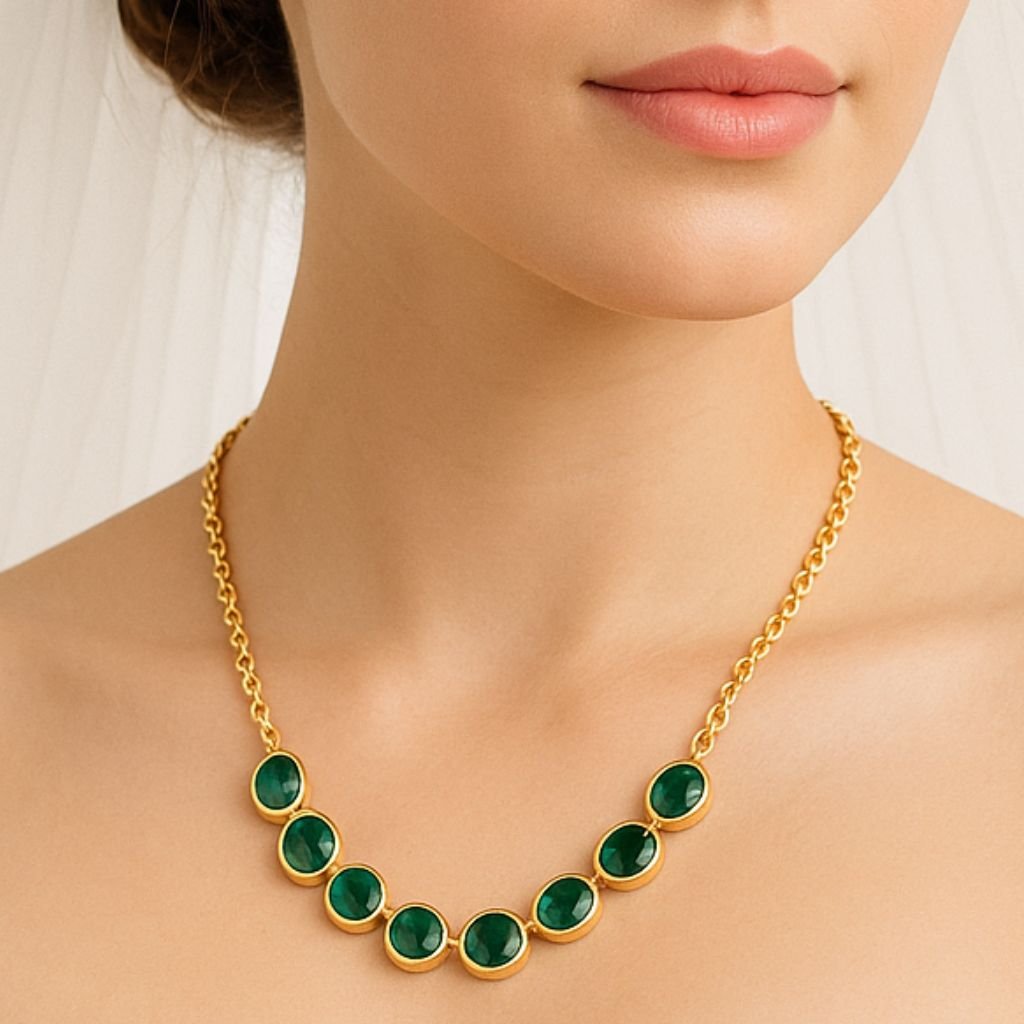
22KT gold is the right choice for traditional Indian jewelry. The higher gold content means a warmer, richer yellow tone — the color that photographs beautifully at weddings and looks correct against South Indian silk. It is also the standard for pieces that need to hold significant weight, like multi-layered necklaces or heavy jhumka earrings that may be worn for hours.
22KT gold necklaces, temple jewelry, and necklace sets are ideal heirloom pieces. They hold value, can be repaired and redesigned, and are recognized across gold markets for resale or exchange.
Diamond and Gemstone Jewelry: Rings, Pendants, Bracelets
18KT gold is the standard for diamond and gemstone-set jewelry, and for good reason. The added alloy makes the metal harder, so prong settings grip diamonds securely over years of wear. A diamond solitaire set in 18KT white or yellow gold is both structurally sound and visually refined. Our diamond engagement ring styles guide explains how different ring settings interact with gold type — worth reading before you choose a metal for your ring.
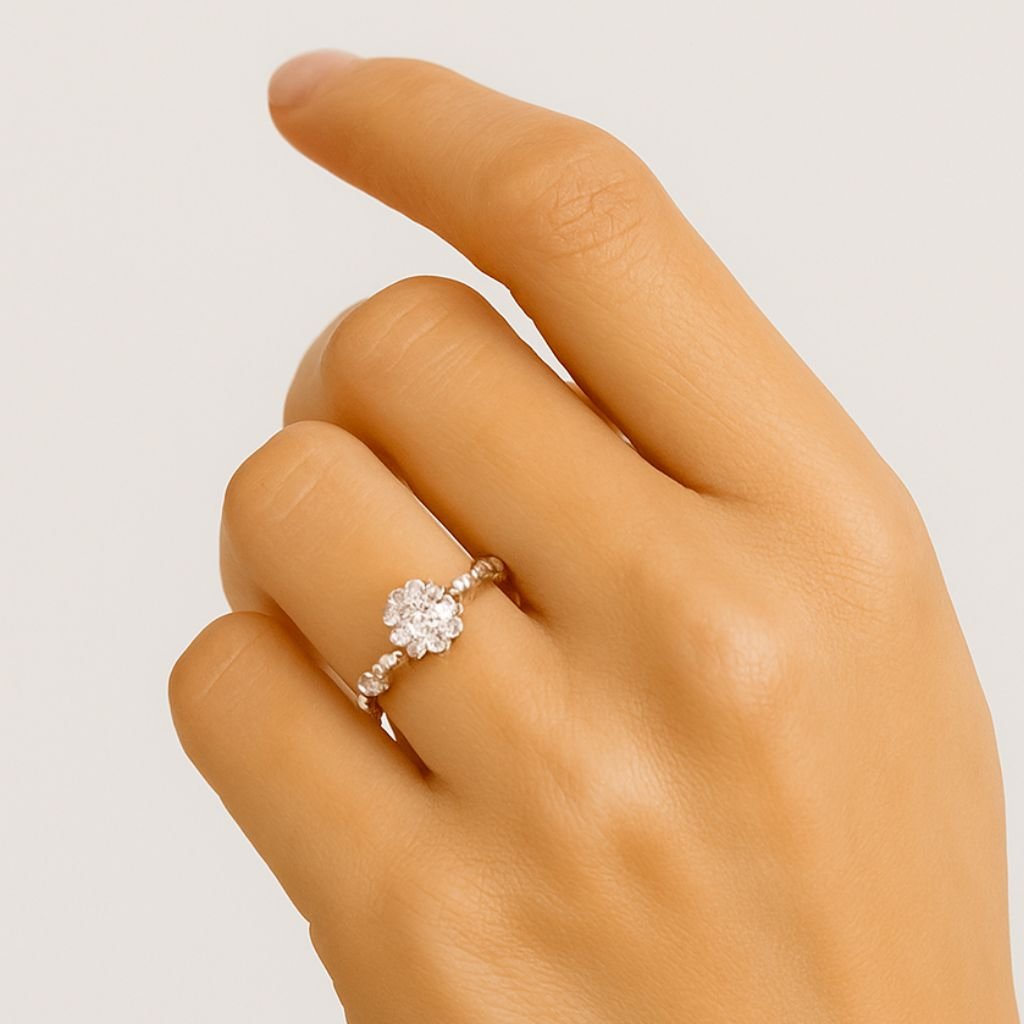
Explore our full range of gold and diamond rings — from solitaires and halos to everyday stacking rings — all set in IGI-certified diamonds and hallmarked gold.
Everyday Wear: Bangles, Kadas, Daily-Use Pieces
For daily-wear bangles and kadas, 22KT gold in a plain or lightly textured design offers the best combination of gold content and wearability. 18KT is also an excellent option for bangles with diamond pave or stone settings, where structural strength matters. Avoid very thin 22KT bangles for heavy daily wear — they can deform over time with pressure.
Gold Colors: Yellow, Rose, and White Gold Explained
Most Indians default to yellow gold, and for traditional jewelry, this is correct — the warm yellow hue is culturally significant and practically timeless. But contemporary buyers, especially for engagement and daily-wear jewelry, are increasingly drawn to rose gold and white gold.
Yellow Gold: The Classic
Yellow gold in 22KT or 18KT is alloyed with copper and silver in varying ratios. The higher the karat, the deeper and warmer the yellow tone. 22KT yellow gold has the rich, saturated color associated with Indian fine jewelry. 18KT yellow gold is slightly lighter in tone but still warm.
Rose Gold: Warm and Modern
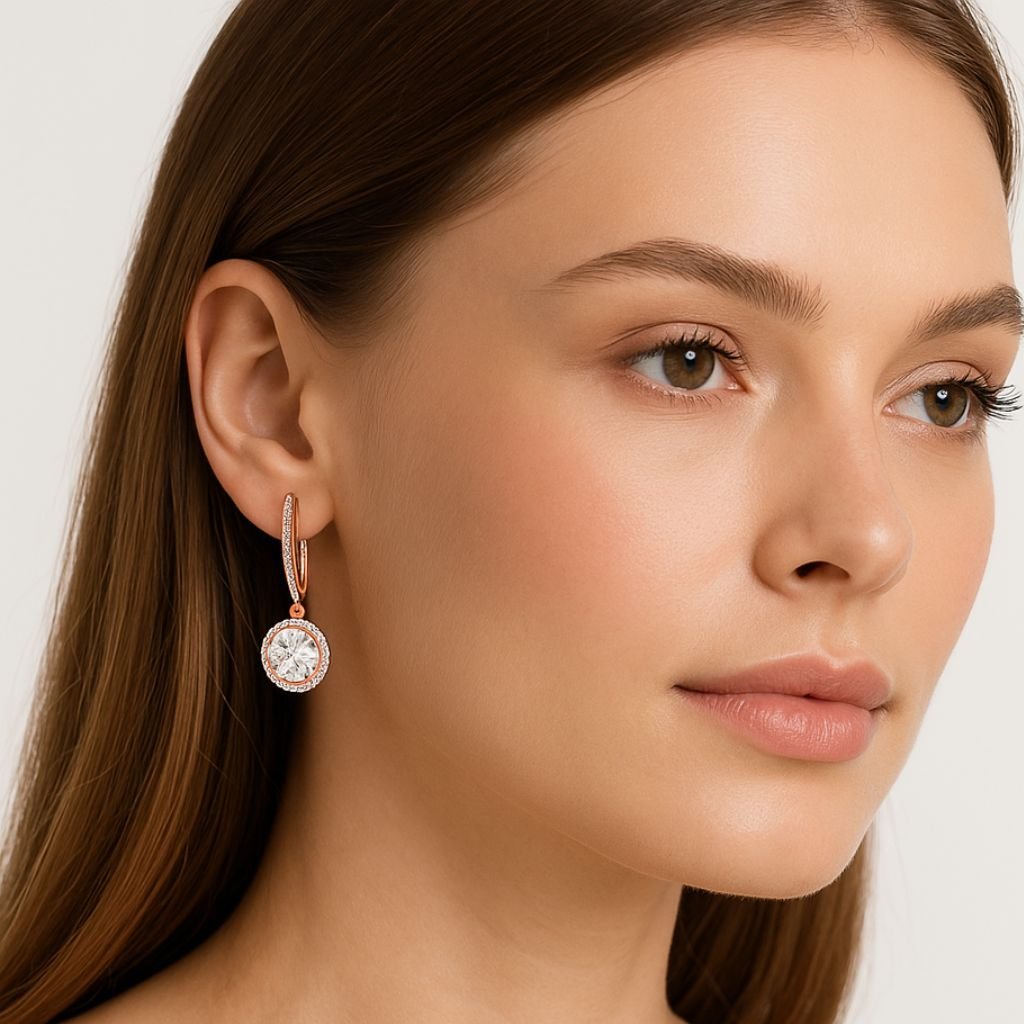
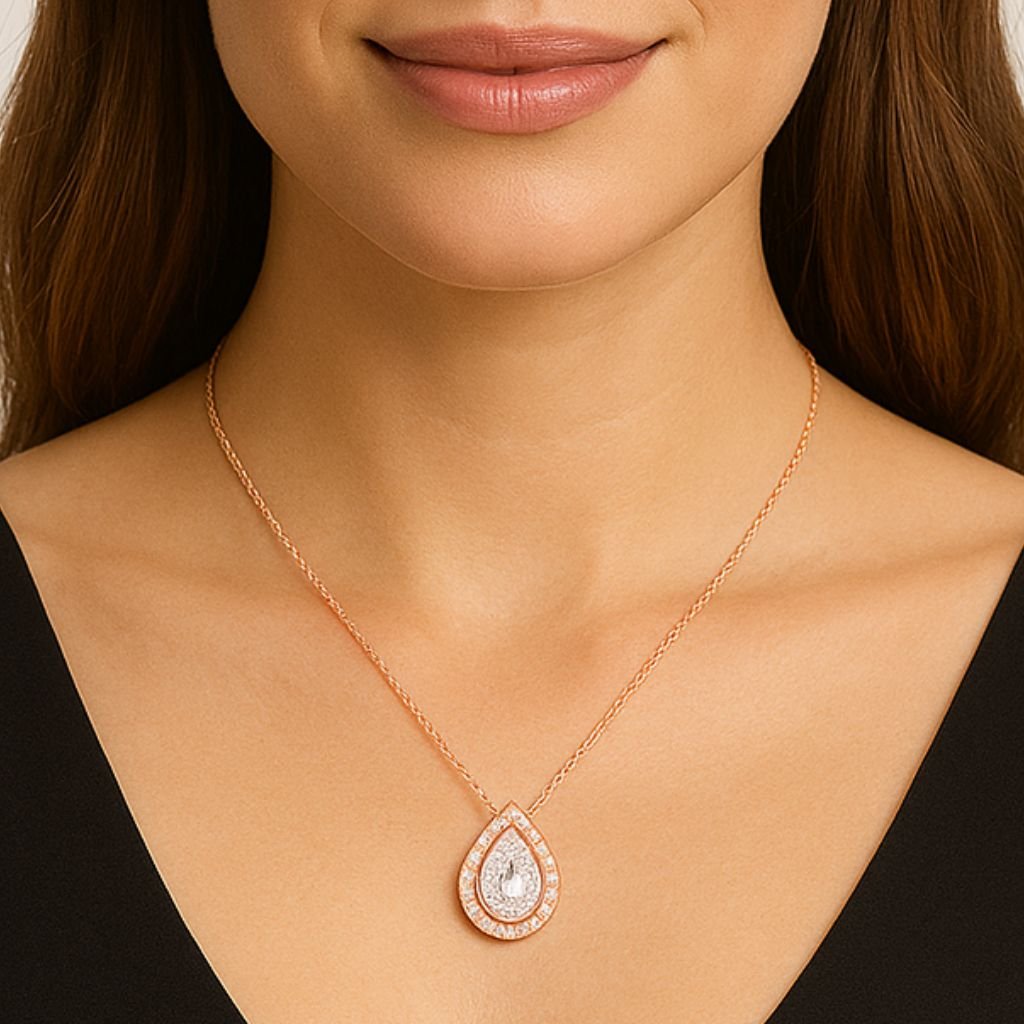
Rose gold gets its blush tone from a higher copper content in the alloy. Typically available in 18KT (since 22KT rose gold can look very orange), rose gold has grown significantly in popularity for engagement rings, solitaire pendants, and bracelets worn daily. It suits a wide range of skin tones — particularly warm and olive complexions common in South India.
One caution: copper can cause skin reactions in people with metal sensitivities. If you have reactive skin, ask for a nickel-free or hypoallergenic alloy specification.
White Gold: Bright and Versatile
White gold is alloyed with palladium, nickel, or manganese to give it a silver-white appearance, then typically coated with rhodium for a bright, scratch-resistant finish. Over time, the rhodium plating wears and the piece may need re-plating — typically every 1–3 years depending on wear. White gold in 18KT is the most popular choice for diamond engagement rings in Hyderabad’s contemporary market, offering a neutral backdrop that makes diamonds appear brighter.
Why Choose Aqua Diamonds & Jewels for Your Gold Jewelry
Buying gold jewelry is one of the most significant purchases a family makes — often tied to weddings, milestone birthdays, or the quiet ritual of a mother buying her daughter’s first jewelry set. The stakes are real, and the right jeweler matters.
- Every piece of gold jewelry at Aqua Diamonds & Jewels carries a BIS hallmark — no exceptions. You get verified purity, every time.
- Our diamond-set gold pieces use 100% natural diamonds, each backed by an IGI certification that independently verifies the stone’s quality.
- We back every purchase with a one-year warranty covering craftsmanship and structural integrity.
- Hyderabad-based, our studio serves Telugu brides, Marwari families, gifting buyers, and self-purchasing professionals who want fine jewelry without the pressure of a traditional showroom floor.
- We offer custom jewelry design — if you have a sketch, a family heirloom, or simply a mood board, our team can translate it into a finished piece.
- Our pricing is transparent: we show you the gold rate we are using, the making charge structure, and the final GST — no surprises on the bill.
Whether you are looking for a classic 22KT bridal necklace, an 18KT diamond-set bangle, or a rose gold solitaire ring for a proposal, our team will guide you without ever making you feel rushed or overwhelmed.
Ready to Find Your Perfect Gold Jewelry?
Connect with our team directly or visit our studio in Hyderabad to explore our full collection of hallmarked gold and IGI-certified diamond jewelry.
Chat with us on WhatsApp: https://wa.me/919121118880
Book a Private Appointment: https://aquadiamonds.co/book-an-appointment/
Frequently Asked Questions: Gold Jewelry Buying Guide India
1. What is the difference between 22KT and 18KT gold for jewelry?
22KT gold contains 91.6% pure gold and is the standard for traditional Indian jewelry — necklaces, jhumkas, temple sets — where rich gold color and high gold content are priorities. 18KT gold contains 75% pure gold and is alloyed with harder metals, making it better suited for diamond-set pieces like rings, pendants, and bracelets, where structural strength and stone-holding capacity matter more than maximum gold content.
2. How do I verify if the gold jewelry I am buying is genuine?
Look for a BIS hallmark on the piece. Since June 2021, hallmarking is mandatory in India for registered jewelers. Each hallmarked piece carries a six-digit HUID code that you can verify independently on the BIS Care mobile app. For diamond-set gold jewelry, also ask for the IGI or GIA certificate for the diamonds. Do not accept a verbal assurance of purity in lieu of actual hallmarking.
3. Why do making charges vary so much between jewelers?
Making charges reflect the skill, time, and technique required to craft a piece. A plain 22KT bangle can have making charges as low as ₹250–300 per gram, while a hand-engraved temple necklace or a piece with intricate filigree work may command ₹800–1,200 per gram. Branded or designer pieces may charge a premium on top of craftsmanship. Always ask for the making charge basis (per gram or percentage) and whether it is fixed or negotiable for your order value.
4. Is rose gold or white gold real gold?
Yes — both are alloys of real gold mixed with other metals. Rose gold gets its color from copper in the alloy; white gold from palladium, nickel, or silver, often finished with rhodium plating. The karat marking (18KT, 14KT) tells you how much of the piece is actually gold. A piece marked 18KT rose gold contains 75% gold regardless of its color. Both are excellent choices for fine jewelry; the difference is aesthetic and structural, not in terms of gold authenticity.
5. Can I exchange or sell old gold jewelry at Aqua Diamonds & Jewels?
Yes — we accept old gold for exchange or as part-payment toward new purchases. The value offered depends on the purity of your old gold (verified by assay or hallmark), the current day’s gold rate, and any applicable deductions. Hallmarked jewelry exchanges at better rates because the purity is pre-verified. We recommend bringing any original bills or certificates if you have them — this speeds up the valuation process.
6. Which gold type is best for a bridal set in South India?
For a traditional South Indian bridal set — necklace, vaddanam, jhumkas, bangles — 22KT yellow gold is the recommended choice. It offers the rich warm tone that complements silk sarees, holds its value as an asset, and is culturally aligned with Telugu and Tamil bridal traditions. For the diamond-studded pieces in the bridal look (nose ring, ring, mangalsutra pendant), 18KT white or yellow gold works better because it holds diamond settings more securely. Many Hyderabad brides combine both for their complete bridal trousseau.