
Common Diamond Jewellery Buying Mistakes to Avoid

Buying diamond jewellery is often connected to an important moment—a wedding, anniversary, milestone, celebration, or a meaningful gift. Yet the excitement of choosing a beautiful piece can sometimes lead buyers to focus only on sparkle, size, or price while overlooking details that affect long-term satisfaction.
Understanding common diamond jewellery buying mistakes can help you compare options with greater confidence. From checking certification to considering comfort and craftsmanship, a thoughtful approach makes it easier to choose jewellery that suits both your expectations and your lifestyle.
Whether you are purchasing your first diamond ring, selecting a pendant, or investing in a statement necklace, these are some of the most important mistakes to avoid.
1. Buying Without Understanding the Diamond’s Quality
One of the most common mistakes is choosing a diamond based only on how large or bright it appears. A diamond’s overall appearance is influenced by several quality characteristics, and no single factor tells the complete story.
The traditional diamond quality framework considers:
- Cut: How the diamond’s proportions and facets influence its interaction with light
- Colour: The presence or absence of visible colour
- Clarity: The internal and external characteristics found within the diamond
- Carat weight: The diamond’s weight, which is often associated with size
A larger diamond is not automatically the better choice. Depending on the design and quality characteristics, a smaller stone may appear more lively or balanced.
Before making a decision, ask for clear information about the diamond and consider how the different factors work together rather than focusing only on carat weight.
2. Skipping Diamond Certification
Certification is an important part of an informed diamond purchase. It provides documented information about the diamond’s characteristics and helps buyers understand what they are purchasing.
Aqua Diamonds states that it offers certified natural diamonds and highlights transparency as part of its approach. The website also identifies IGI-certified natural diamonds among its product and brand information.
Before buying, ask:
- Is the diamond accompanied by certification?
- Which laboratory issued the certification?
- Does the documentation correspond to the diamond being purchased?
- Are the diamond’s quality details clearly explained?
Do not assume that every diamond is accompanied by the same documentation. Review the information provided and ask questions if any part of it is unclear.
3. Choosing Only by Price
Price matters, but making it the only deciding factor can lead to disappointment. A lower price may appear attractive at first, yet it does not explain the complete value of a jewellery piece.
The final cost can reflect several elements, including diamond characteristics, metal, design complexity, craftsmanship, and the level of detail involved in creating the piece.
Instead of asking only, “What is the cheapest option?” consider:
- Does the design suit the occasion?
- Are the diamond details clearly explained?
- Is the jewellery comfortable and well-finished?
- Does the piece fit your intended budget?
- Are the terms and services communicated clearly?
A realistic budget can help narrow your choices without forcing you to compromise on the information that matters most.
4. Ignoring the Jewellery Design and Lifestyle Fit
A beautiful piece may not be the right choice if it does not suit the wearer’s routine. This is especially important when buying jewellery intended for regular use.
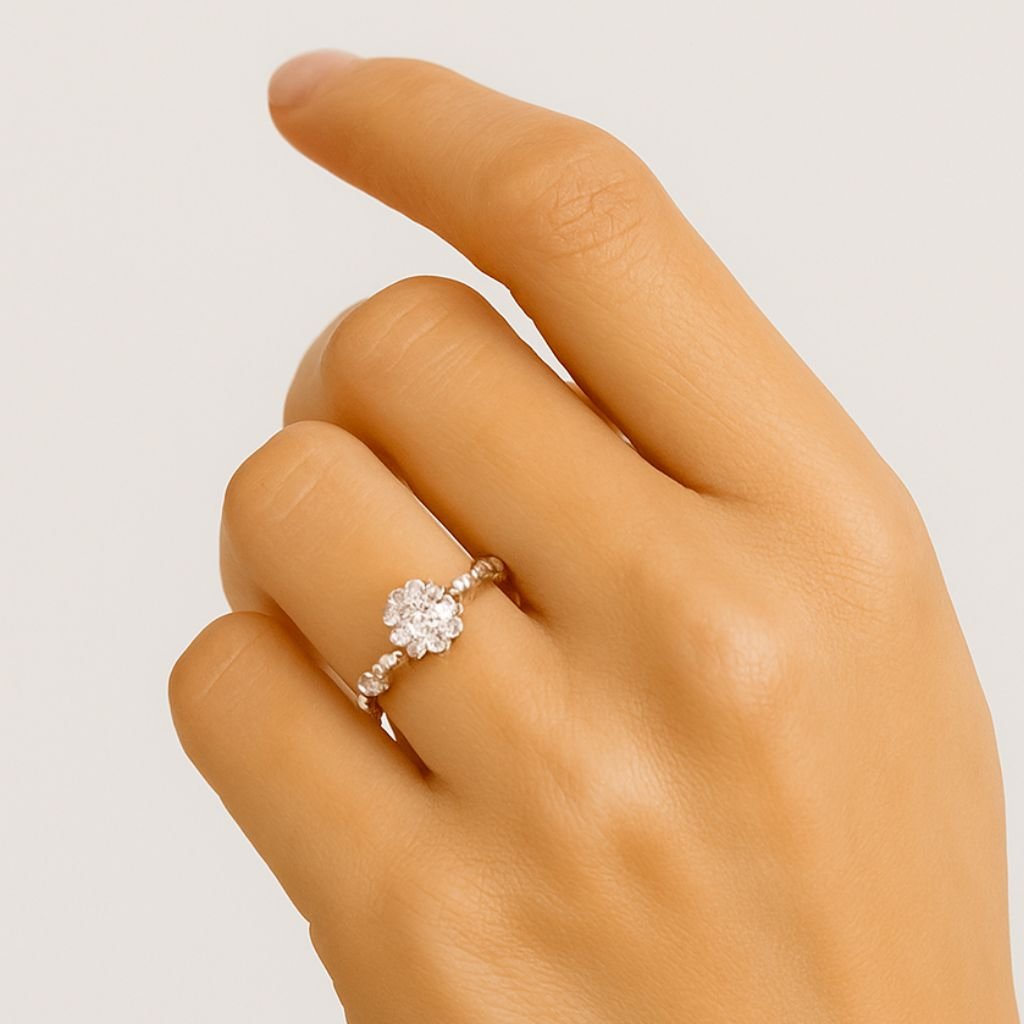
For example, a high-profile ring may require more attention during daily activities, while a delicate design may be better suited to occasional wear. The right choice depends on personal preference, work, lifestyle, and how frequently the jewellery will be worn.
When exploring tips for buying diamond jewellery, consider:
- Will the piece be worn every day or only on special occasions?
- Is the design comfortable for long periods?
- Does it suit the wearer’s usual style?
- Is the jewellery easy to pair with different outfits?
- Does the setting offer an appropriate balance between appearance and practicality?
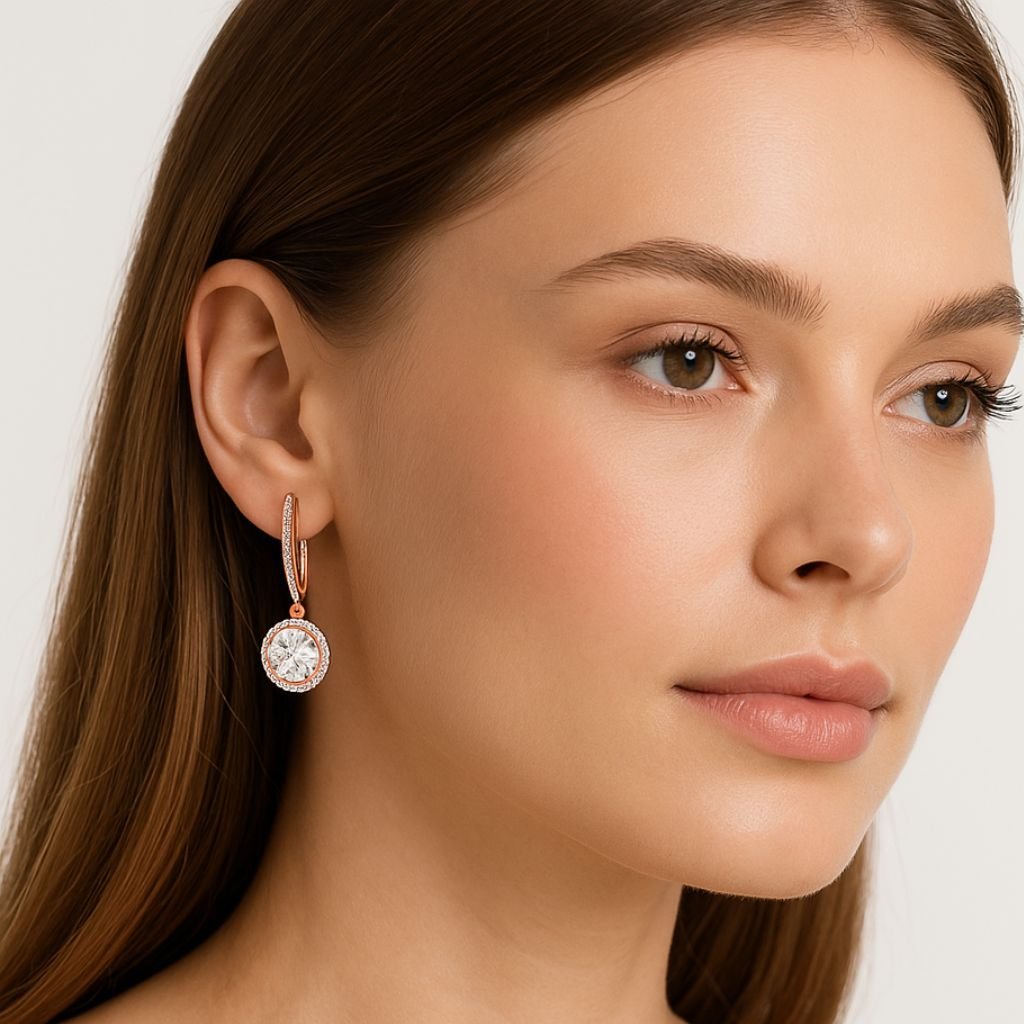
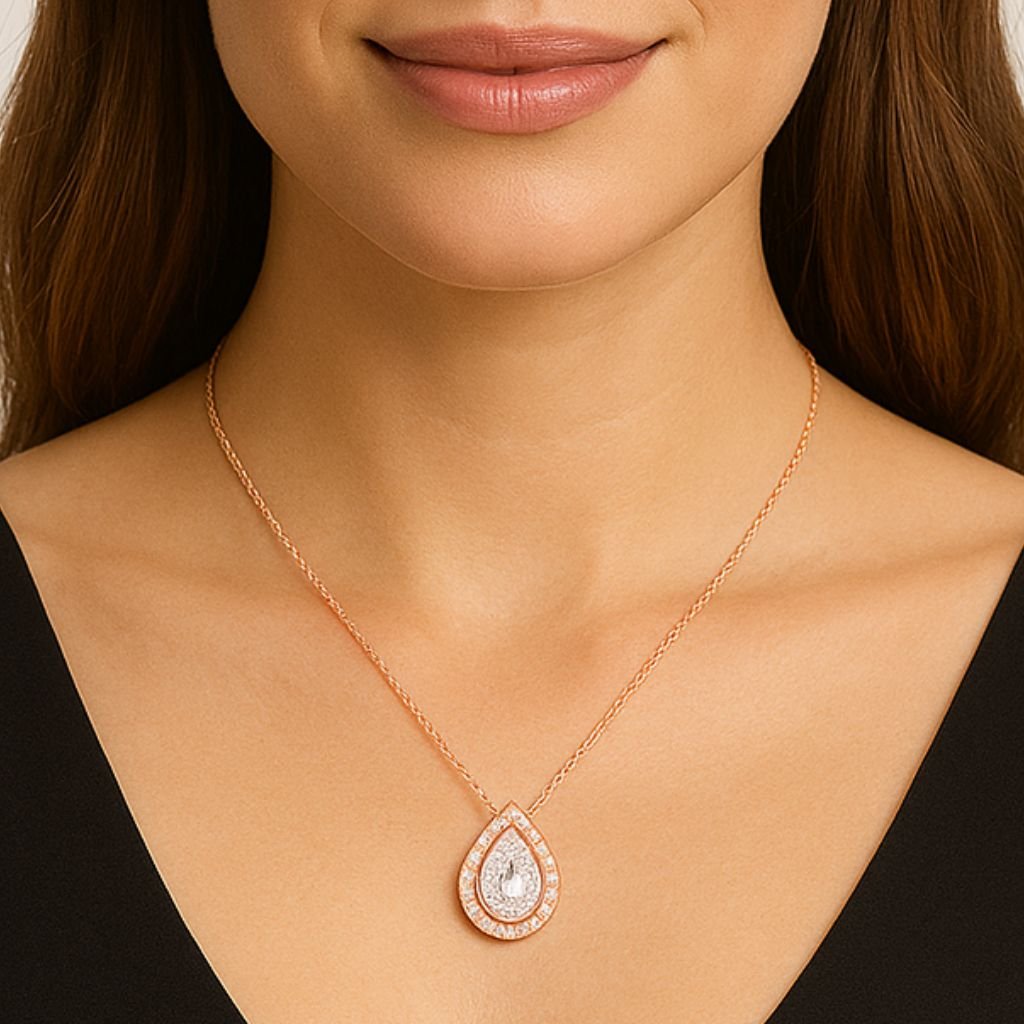
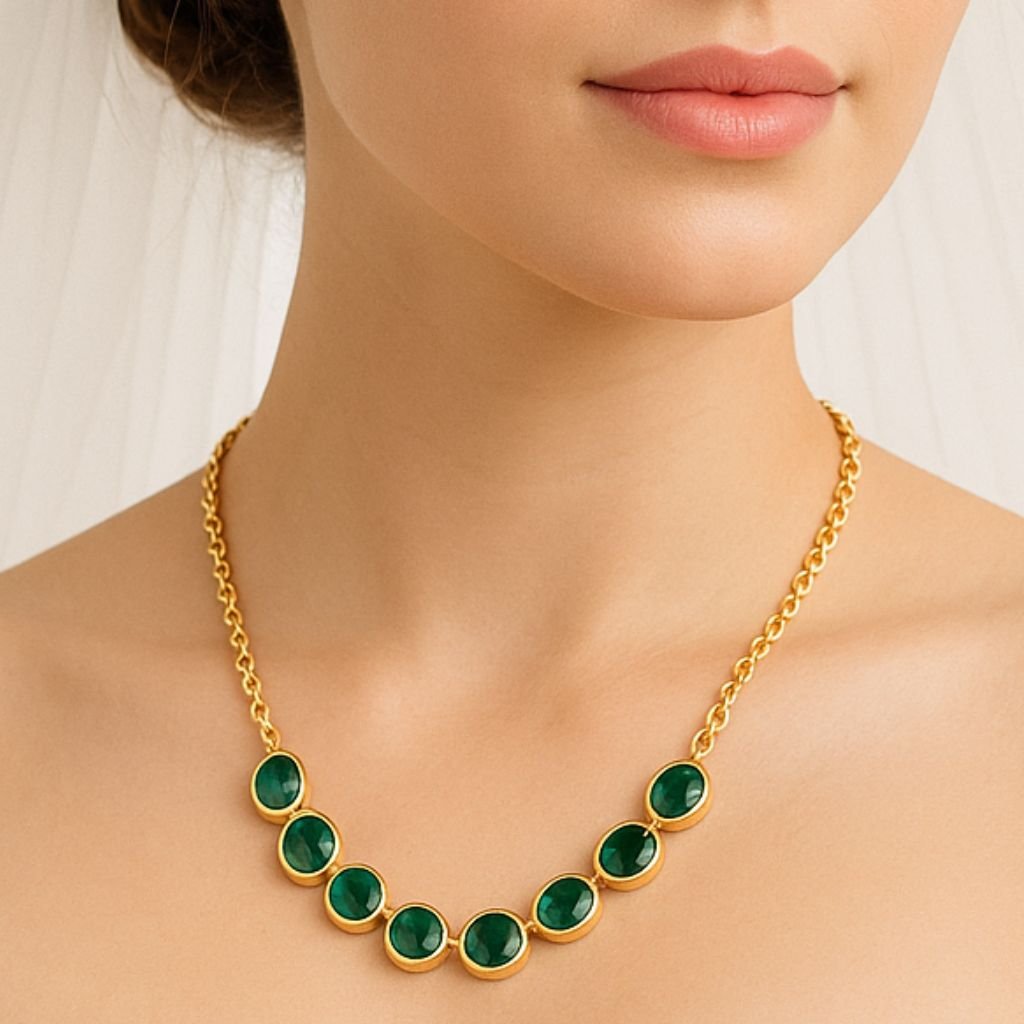
Aqua Diamonds features collections across rings, earrings, pendants, neckwear, bracelets, and bangles, allowing buyers to explore designs for different occasions and preferences.
5. Forgetting to Check the Setting and Craftsmanship
The diamond may be the centre of attention, but the setting is equally important. A well-considered setting supports the stone and contributes to the jewellery’s appearance, comfort, and wearability.
Look closely at the overall finish. Check whether the design appears balanced and whether the setting is appropriate for the style of jewellery. For rings, consider how the piece sits on the finger. For earrings, assess the fastening and comfort. For necklaces, look at the chain, clasp, and how the pendant or centre design rests.
Aqua Diamonds describes its process as involving design, skilled craftsmanship, and attention to detail from diamond selection through final polishing.
6. Not Checking the Jewellery Before Purchase
Online images and display lighting can help you understand a design, but they may not show every detail. When possible, inspect the jewellery carefully or arrange a consultation to discuss the piece.
Check:
- The overall finish
- The comfort and fit
- The clasp or fastening
- The balance of the design
- The appearance of the jewellery from different angles
- The information provided about the diamond and product
For buyers who prefer to view jewellery in person, Aqua Diamonds lists stores in Banjara Hills and Jubilee Hills in Hyderabad, as well as Vijayawada.
7. Overlooking Care and Maintenance
Diamond jewellery is designed to be treasured, but regular wear can expose it to dust, residue, impact, and everyday products. Ignoring care instructions may affect how clean and polished a piece appears over time.
Aqua Diamonds recommends gentle cleaning with a soft cloth, separate storage to help prevent scratches, and avoiding harmful chemicals or activities that may damage jewellery.
Before buying, ask about recommended care and available services. Aqua Diamonds also lists jewellery repair, polishing, redesigning, and valuation among its services.
8. Buying Without Asking Questions
Some buyers hesitate to ask questions because they are unfamiliar with diamond terminology. However, asking for clarification is part of making an informed decision.
Useful questions include:
- What information is available about the diamond?
- Is certification provided?
- What materials are used in the jewellery?
- What care is recommended?
- Are customisation options available?
- What are the applicable warranty, exchange, or service terms?
Aqua Diamonds notes that it offers a range of designs and customisation options, allowing customers to explore jewellery suited to different tastes and occasions.
- Explore Aqua Diamonds’ diamond ring collection for designs suited to different styles and occasions.
- Browse the diamond earrings collection to compare stud, drop, and decorative designs.
- Discover elegant necklace styles in the Aqua Diamonds neckwear collection.
- Find a nearby showroom through the Aqua Diamonds store locator.
- Learn more about the brand’s approach through the Aqua Diamonds website.
Avoiding common diamond jewellery buying mistakes begins with looking beyond appearance and price. Take time to understand diamond quality, review certification, assess the design and setting, and consider how the piece will fit into the wearer’s lifestyle.
The right diamond jewellery should feel meaningful, comfortable, and suited to the occasion. Asking clear questions and reviewing the available information can make the buying experience more confident and enjoyable.
Explore Aqua Diamonds’ jewellery collections to discover diamond rings, earrings, pendants, neckwear, and other designs created for different styles and celebrations.
FAQs
1. What should I check before buying diamond jewellery?
Check the diamond’s documented quality information, certification, jewellery design, setting, craftsmanship, comfort, and applicable purchase terms. You should also consider how often the piece will be worn and whether it suits the wearer’s lifestyle and personal style.
2. Is diamond certification important?
Yes. Certification provides documented information about a diamond’s characteristics and can help buyers understand the product more clearly. Review the certification details carefully and ask the jeweller to explain any information that is unfamiliar or unclear.
3. Should I choose a larger diamond or a better-quality diamond?
There is no single answer because the right balance depends on your preferences and budget. Carat weight is only one consideration. Cut, colour, clarity, design, and the overall appearance of the jewellery should also be evaluated.
4. How can I choose diamond jewellery that I will wear often?
Choose a design that suits your routine, wardrobe, and comfort preferences. Consider the size, profile, weight, setting, and ease of styling. Versatile pieces such as diamond studs, simple pendants, and refined rings are often practical choices for frequent wear.